
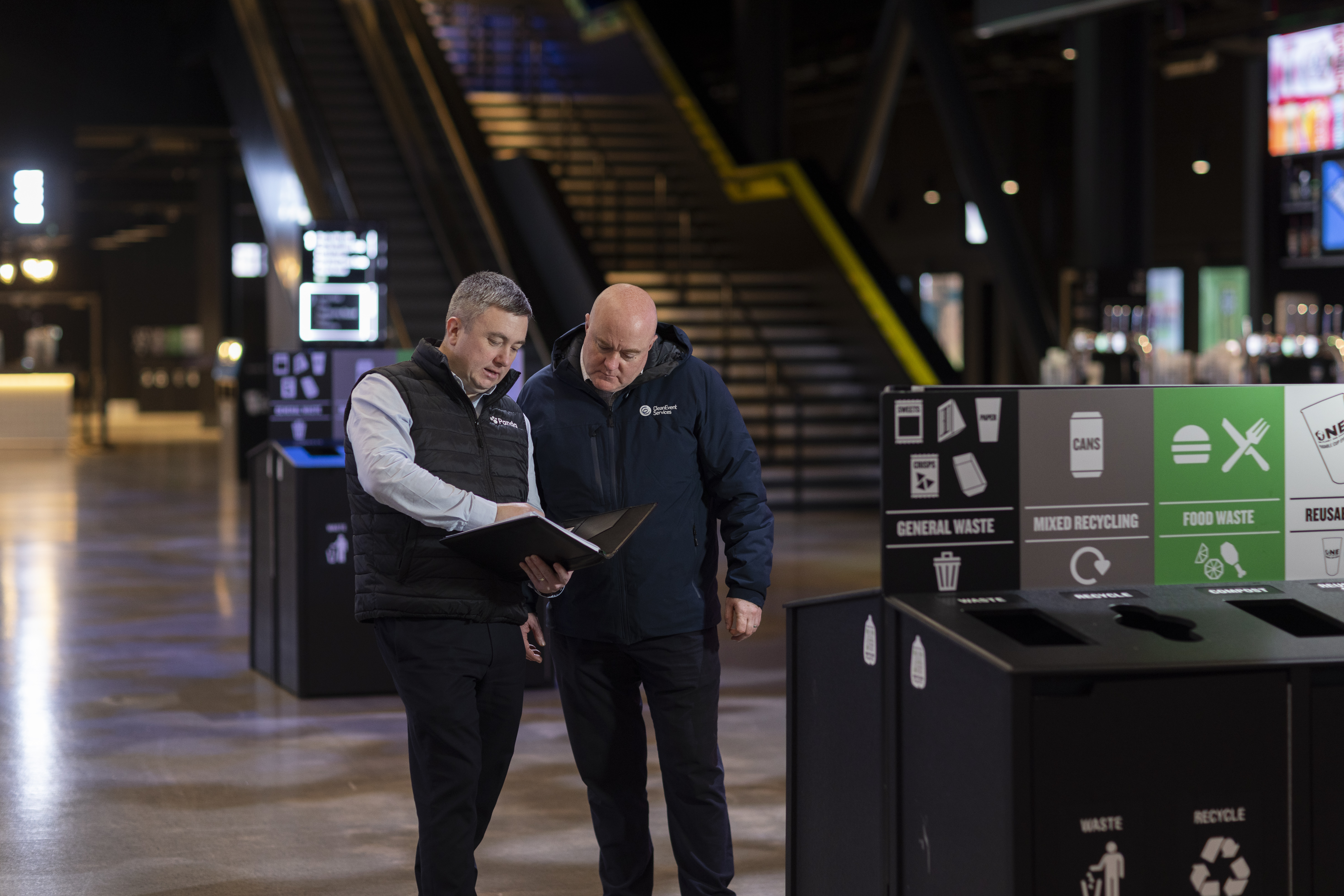
Managing workplace recycling the simple way
Earth Day on 22 April is a good reminder that doing the right thing for the environment at work doesn’t have to be complicated. With the UK’s Simpler Recycling legislation, businesses are now expected to separate key waste streams. With the right set-up, it’s easier than you might think.
A clear, simple system helps your team build good habits without slowing anyone down. And when everyone knows what goes where, recycling quickly becomes second nature.
Now’s a great time to check your workplace is set up properly, so more of your waste can be recycled or recovered.
Why the right set-up works
When bins are clearly labelled and easy to use, people are far more likely to get it right. Under Simpler Recycling, businesses need to separate waste into:
- Dry mixed recycling (DMR)
- Paper and cardboard
- Food waste
- General waste
- WEEE waste (electricals)
Getting this right from the start helps reduce contamination, improve recycling rates, and keep your business compliant.
So, what goes where?
Dry mixed recycling (DMR)
For everyday packaging like:
• Cartons
• Cans, tins and foil
• Plastics (bottles, pots, tubs and trays)
A good rule of thumb: keep it clean, dry and empty.
Paper and cardboard
This should be kept separate and includes:
• Office paper and envelopes
• Leaflets and brochures
• Cardboard boxes and packaging
Try to keep it dry and free from food so it can be properly recycled.
Food waste
If your business produces food waste, it needs its own bin. This includes:
• All food intended for people or pets
• Preparation waste like bones, eggshells, and veg peelings
• Tea bags and coffee grounds
Separating food waste means it can be turned into energy and useful by-products instead of going to landfill.
General waste
For anything that can’t go in the other bins, such as:
• Contaminated packaging
• Non-recyclable materials
• Hygiene waste
Keeping this bin as small as possible is one of the easiest ways to improve your environmental impact.
WEEE waste (Electricals)
Electrical items should always be kept separate, including:
• Small appliances and office equipment
• IT equipment and cables
• Batteries and lighting
These need to be collected or taken to the right facility, never placed in general waste.
Making it easy for your team
Whether you’re running an office, a shop or a busy site, a few simple steps make all the difference:
• Put the right bins where people actually need them
• Keep signage clear and easy to follow
• Stick to simple messages like “clean and dry”
• Give your team a quick refresher if needed
Small changes, big difference
When your workplace recycling is set up properly, it becomes part of the everyday routine. That means less waste going to landfill, better recycling outcomes, and a more sustainable way of working, without adding extra hassle!
Getting started is often just a case of having the right bins, the right information, and making it easy for everyone to do their bit.
Need help getting compliant? Sign up today and we’ll make it easy!