

Digital Waste Tracking

Waste crime costs the UK economy an estimated £1bn each year

  • Digital waste tracking will be introduced in two phases
  • Phase 1 focuses on receiving sites reporting the waste they accept.
  • Phase 2 extends tracking upstream to producers, brokers and carriers.
Get a quote

Digital Waste Tracking

Current processes make it too easy for waste to be misdescribed or lost within the chain without detection. Digital waste tracking aims to help close these gaps and identify those operating outside of the system.The information gathered will also inform and provide evidence for future policy changes.

Save on waste collection costs in just a couple of ticks

How will it work?

  • Digitisation

    Digitally track all household, commercial and industrial waste (controlled waste), whether hazardous or non-hazardous.

  • Unique records

    Each record gets a unique number, used to view and submit details of the waste movement, so producers can see where their waste has gone.

  • Reporting methods

    Digital waste tracking records will replace existing waste transfer notes, hazardous waste consignment notes, and Annex VII export documentation.

  • Phased delivery

    To build a stable, effective and user-friendly service, it is being built incrementally, starting with a firm foundation.

As a Panda customer, what do you need to do?

In preparation for 1 October, Panda customers can be confident that your waste will be compliant. Panda is fully prepared to submit, digitally, to the Digital Waste Tracking Service in line with phase 1 guidance from 1 October 2026.

So for now, sit back and relax. We will be back in touch regularly as further phases of the regulations become live.

What types of waste will be tracked?

The new digital waste tracking system has a wide remit and covers all types of controlled waste and extractive waste, including, but not limited to:

  • Commercial waste

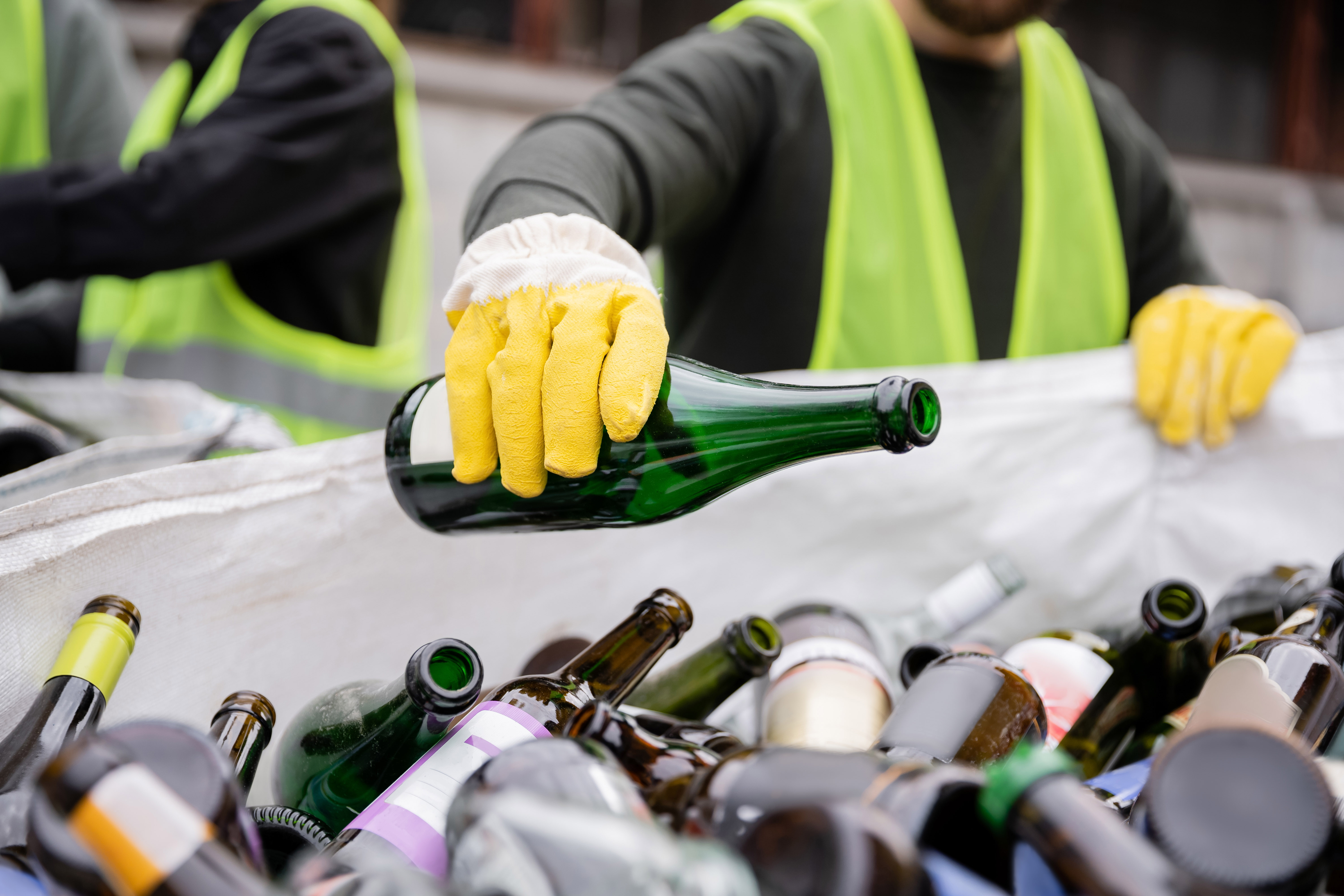
    Everyday waste produced by businesses, such as packaging materials, office waste, mixed recycling, food, glass, and anything else related to commercial waste management.

  • Electronic waste (e-waste)

    Waste such as old, end-of-life and discarded electronic devices, which contribute to environmental pollution if not disposed of properly.

  • Hazardous waste

    This includes hazardous waste that poses a threat to public health or the environment, such as chemicals, radioactive materials and industrial by-products.

  • Construction and demolition waste

    Materials like ready-mix concrete, bricks, wood, and other building materials.

Frequently Asked Questions

Save on waste collection costs in just a couple of ticks

Other services you might find useful

Dry mixed recycling

Anything that can be recycled goes into a single container, simplifying separation and smashing waste costs. How great is that!